Showing posts with label digestion. Show all posts

Friday, January 27, 2017

Canyon Ranch told my friend to do this, here’s what I suggested

My friend mentioned, in a text, that she had been to Canyon Ranch last weekend. I expressed my jealousy, she then asked “do I really need 30 grams of fiber every ding dong day?”
I told her what I’m about to tell you and that’s that normal people don’t count their food in grams. They don’t. I love fiber, fiber helps with digestion and satiety. Fiber feeds those good bacteria we’re so fascinated by. Fiber helps your weight loss efforts. Fiber and I have no issues. I just prefer a common sense, tedium-free approach.

SO here we go
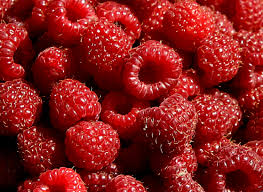
Let’s say you had yogurt and raspberries or eggs with avocado this morning (or perhaps you followed Carolyn’s advice with Breggie).
Raspberries- the fruity, fiber queen give you 8 g of fiber per cup.
Eggs/avo 4.5 grams in ½ a Haas (better eat those avos before they’re taxed).

Hit up Sweetgreen for lunch and have everyone’s fave Rad Thai  salad (personally I adore the Omg salmon offering).
No fiber facts are listed on Sweetgreen’s website so I had to friggin’ count.
I’ll say 15 grams of fiber (even though 16.7 by my calculations)
Conservatively you’re over 20 grams at this point; it could be over 24.

In the afternoon, I’d suggest our Foodtrainers' nutcase (pictured above) fill it with almonds for another 4 grams of fiber.


Maybe for dinner you have some chicken and broccoli (I’m into roasting broccoli lately),
7.5 grams for the broccoli (Brussels and cauliflower also high in fiber).
Go wild and add in a sweet potato for 31 total fiber grams (lowballing).

So, the morals of the fiber story are:
You get a big fiber bang for your buck with a veggie-filled salad in your day.
OR if you’re not into salads have vegetables 2-3 time daily.
Consume nuts or seeds once a day in some form.
And any time an expert gives you annoying advice, ask them if they do what they’re suggesting.
Finally, life is too short to count fiber grams.

Thursday, December 11, 2014

Bone Broth: Yay or Step Away?

Yesterday I spoke to CBS about bone broth (segment airs Christmas week); Carolyn is going to “break” things down for us today.
Bone broth is the new “hot” beverage (literally) of the season. Truth be told it’s not really new but newly popular thank in part to paleo peeps and GAPS diet. It’s gaining a cult following similar to kombucha. But let’s get to the “bare bones” if you will… bone broth, yay or stay away?

What is bone broth?
As the name implies bone broth is made from chicken, beef or fish bones slowly cooked for 12 or more hours. While the thought of slurping on bone leftovers might make you lose your appetite, it’s not that different from regular old chicken stock. The main difference is that store-bought stock is cooked at high temperature for a short amount of time. Stock is about flavor and not about extracting goodness from the bones.

So, why bones?
Bones are nutritional powerhouses. During cooking, collagen from the bone breaks down into gelatin and this is where the goodness comes from. It’s a super rich source of minerals including calcium and amino acids. Also present are glucosamine and chondroitin names you may recognize from commonly used joint supplements. Whether you are arthritic or just achy from exercise, bone broth can help. Gelatin also benefits our skin, digestive tract and immune system.

How do you make bone broth?
You can heat broth and put in thermos, nuking not suggested
Confession, we don’t (or haven’t yet). You can use leftover bones from roasting a chicken etc. but we’d suggesting asking your butcher for marrow or soup bones (we hear chicken feet are great), you need a couple pounds of bones.  You place bones in a pot or slow cooker, cover with water, add apple cider vinegar which helps extract nutrients from bone and onions, garlic and any flavorings. Be careful to simmer and not boil the broth and then wait and wait. This is at least a 12-hour process (and we thought highlights were time consuming). When you’re done cooking you’ll strain and chill the broth (you can freeze some in jars). They key to this is that the result should resemble brown J-e-l-l-o (vom). Bone broth is not a looker.

Or, you can buy bone broth
Perfect on a cold day
If you’re like us, you can buy bone broth at Brodo (Lauren suggests chili oil and fresh turmeric “toppings”) on the LES or Bone Deep and Harmony. Rumor has it Hudson & Charles in the west village is brothing too as are our friends at Food Matters. There are also online retailers. Sally Fallon has a new broth cookbook that was sold out on Amazon the last I checked (but available at B &N). Pacific foods have also joined the bone broth brigade but we’re not sure how we feel about this yet.
Children of nutritionists must try bone broth (he loved it, stole his mother's)
Any downside or concerns?
The haters will say there’s not a lot of research on bone broth, which is a legit point, but there’s a long history of use that means a lot to us.
You also want to watch the pot or vessel you cook in. Ceramic has some lead concerns so stainless steel is the way to go.  And finally you must use quality bones from organic chickens or grass fed beef. Animals store pesticides and hormones in their fat and you don’t want to drink that.

So, Yay or Step Away?
Lauren was asked if bone broth is a miracle and if bone broth will replace coffee? We don’t believe in food miracles nor do we have plans to “replace coffee”. However, bone broth made from grass-fed beef bones is full of omega-3’s and conjugated linoleic acid (CLA), which reduces inflammation and may decrease body fat. So, sip your way slim?
We say “yay” bone broth is a delicious and warming ritual for winter. With any healthy food, to feel the max benefits, it needs to be a regular part of your diet. Try a cup of broth a day or use it when making other soups or stews. If it’ll prevent us from getting sick, make us less achy with better skin and digestion? We’re in.
Have you tried bone broth? Do you make it? Are we silly for being squeamish about making it? Or are you phobic too? 

Monday, August 4, 2014

Will this popular, healthy drink make you drunk?

If you’re not kombucha-conscious, kombucha is a fermented tea. It tastes tart and is slightly bubbly. It was been brewed and consumed for thousands of years. Kombucha is made using something called a SCOBY (which I thought was Scooby for the longest time) but stands for symbiotic culture of bacteria and yeast.  And this is what results in a finished beverage teeming with good bacteria and good yeast yum yum.


I’ll admit my bias; I love the stuff. I first enjoyed the gingerade from Synergy, love the blue green from BKkombucha, the cayenne Kombucha from Heathade and most recently fell in love with the milder kombuchas from Organic Avenue. Everyone at our office is dying to try Buchi’s sea buckthorn kombucha. Buchi- can you help us out?

I have always been aware kombucha contains trace amounts of alcohol. But while wine is generally 10 to 14 percent alcohol and spirits 40-something percent kombucha usually is .5 percent. So I was shocked when a client came in saying, “I had a few sips of kombucha and I felt something, was I drunk?” I hadn’t ever heard that, I thought about GT Dave the Synergy brand founder who drinks a gallon or two of kombucha a day “like it’s his job” oh wait, it is.

Back in 2010 there was a blip for the kombucha producers. Many kombuchas were pulled from the shelves. There was investigation into the alcohol content. The more sugar in kombucha the more alcohol it can ferment. Generally speaking the longer kombucha ferments, the more alcohol produced. Companies looked at their protocols to see how they could eliminate the alcohol without compromising the benefits. You can pasteurize and “solve” the problem but in order to have the probiotic benefits, kombucha needs to be raw/unpasteurized. Companies found ways to reformulate their brews, probably changing the SCOBY in order to control the alcohol content. Generally speaking unless in recovery/AA or pregnant continue to knock back kombucha.

Detractors will say “no real evidence” but as a superstar nutritionist (who has been at this for way longer than I have) said on a phone call last week “for many things in our field there will never be studies.” Kombucha is helpful for joint pain (contains building blocks for glucosamine) and helps with digestion (many clients report reflux improvements). Ironically, given the subject matter today, kombucha’s beneficial effect on the liver makes it an excellent hangover remedy.

So why did my client feel loopy? I dug around, spoke to some fermentation experts and there’s something I was unfamiliar with called histamine intolerance. Some people react to fermented foods with symptoms that mimic drunkenness as they lack an enzyme called DAO that breaks the histamine down. You can read more about histamine intolerance here.  There are digestive enzymes you can use if the thought of avoiding fermented foods (which help with mood and cravings not to mention immunity and more) worries you.  My only issue with kombucha is that Lindsay Lohan loves the stuff, ick. Are you a kombucha drinker? Do you make your own? Should I try? Do you have a favorite brand? Any kombucha concerns?

Thursday, July 18, 2013

Corn Doody


I swear, I didn’t invent the term Corn Doody but according to the highly reputable Urban Dictionary it’s “what you find in the bowl the morning after eating corn”. And to be clear, we’re not talking a bowl bowl. It’s corn season, clients ask the darndest things and lately I’m fielding numerous corn doody queries. I always chalked this occurrence up to insufficient chewing but is there more to it with corn? After all, not all foods come out whole.

The outer hull of corn is made of cellulose that is indigestible to humans; we do not have the necessary enzymes to break it down. Even when you chew a kernel (we can’t all be inhaling our corn) it’s mainly the inner portion that’s digested. The cellulosey outer layer remains, one website likened it to an empty sleeve.

I know what you’re thinking, I do. How come what’s in the “bowl” doesn’t look like an empty, flattened sleeve but a full or whole sleeve? It’s because WARNING GROSSNESS as corn makes its way from top to bottom, it is refilled (nasty I know). So there you have it.

And though corn doody may be a seasonal concern, don’t be alarmed by quinoa, beans or flax doody either. While odd this isn’t usually a problem unless accompanied by other GI symptoms that I’ll refrain from discussing today, enough is enough.
Have you, you can admit it, experienced corn doody? Have you wondered why? Are their other foods that seem to "pass through" whole? Are you wondering if I've lost it?


Monday, April 29, 2013

Dairy: decrease or desist?


From Refinery29 article, link below
I was recently consulted for a Refinery29 article “No Whey: What Milk Really Does To Your Bod”. Dairy baffles many people that I thought I would review the dairy details.

Dairy Hierarchy
Not all dairy is the same. In any food category whether it’s carbs or soy sometimes you can tolerate or benefit from certain types versus others.  You probably know I’m anti skim milk; non-skim, fermented, organic dairy is very different from conventional, skimmed, subpar stuff. It’s important to be discriminatory with your dairy.
Fermented dairy is easier to digest and fermented foods can benefit you well beyond your immune system. Unlike Vegas, what happens in your gut doesn’t stay in your gut and probiotic foods have far reaching effects from your weight to your mood.
Additionally, goat and sheep dairy is often better tolerated. Anti dairy folks often point out that it’s unnatural for us to drink another animal’s milk.  In the case of goat and sheep’s milk it’s actually most similar to human breast milk in its makeup (I can’t decide if knowing this makes it more or less appealing). While lactose slightly lower in goat or sheep versus cow it’s really the casein content that makes the difference. Furthermore there are higher levels of MCTs (same type of fats in coconut milk) in goat and sheep versus cow milk. There’s a great sheep’s milk company called Old Chatham. Their ginger yogurt is amazing.
And unless you find antibiotics, added hormones and inferior nutrition appealing…if nothing else all dairy you purchase should be organic. You can make the argument that you can wash (not that this makes it pesticide free) an apple; you can’t wash your yogurt. A study on 3rd graders in another country showed their hormone levels soared after a month on US, conventional milk, enough said.

Pro Dairy
A case can be made that dairy helps with PMS symptoms (do you recall the California Milk Board’s ad geared toward men “living with PMS”? oy those caused a little bit of a backlash). Full fat dairy is associated with less fat around the waist or midsection, decreased likelihood of insulin resistance and type 2 diabetes. This is due to a fatty acid called palmitoleic. I expect we’ll be hearing more about this. And men who strength train may be able to get more muscular with dairy in their diets.

Dairy Drawbacks
If you look up the important research from Dr Davaasambu (what a name), you will see studies linking milk consumption to a host of cancers. The proposed reasoning is that cows are being milked more days per year, often when pregnant when levels of certain hormones are higher.
In terms of digestion, while many point to lactose as a source of tummy troubles, there’s another potential covert culprit and that’s casein. Casein is a protein in milk (I mentioned it earlier with sheep/goat dairy) that many people, especially those who have problems with gluten, do not do well with.
If a client presents with sinus symptoms and allergies or certain skin conditions, I consider advising them to experiment with ditching dairy.
Bones When it comes to bone health, if you’re only keyed in on calcium you’re missing the “bone” boat. We need calcium but it doesn’t have to come from dairy think about sardines, greens and beans. Having enough Vitamin D seems to be way more important than supplementing calcium. Additionally there’s magnesium sort of a sly player in the osteoporosis game.
Alternatives
There are a host of “alternative” milks from almond to cashew to coconut and nut milk is very easy to make (and delicious).If you choose to purchase nut milk make sure there’s no carrageenan in the ingredient list. In NYC, OMilk makes fantastic small-batch nut milks in fun flavors.
I think it’s important to think about your diet, your goals and consider whether you need dairy and how much; there’s certainly no need to overload on it.  It’s no coincidence that as I googled dairy MyPlate and Dairy Counsels etc. came up. There’s this conventional “wisdom” or belief that we need lots of dairy to be a healthy and further that we should look for fat free and low fat sources. I would challenge both of those ideas. And our ability to digest dairy decreases with age so what worked at 20 may not at 50, reassess.
Do you eat dairy? How much and which types? Have you considered decreasing or desisting?


Friday, May 27, 2011

Better Bread: Why Sprouted Matters

Lisa has a bit more time on her hands with a class-free summer (I should say school-free, she’s pretty classy). She can now contemplate important topics like the perfect (healthy) summer cocktail and today’s query “to sprout or not to sprout”. Thanks for this Lisa.
You don’t have to be a nutritionist to conclude that spouted grains sound healthier than bleached, processed or refined grains. Not only do sprouted grains sound healthier, they really are.
A little background
To make white bread part of the wheat kernel (the nutritious part) is removed and the remaining portion milled into flour. Whole-wheat bread is slightly better, the germ (actually loaded with vitamins despite its name) and the bran are used when making the flour. For sprouted grain bread the kernels are sprouted and then this is used for the breads.
Nutritional benefits
Sprouted grains are higher in nutrients than their unsprouted counterparts. Sprouted wheat contains four times the amount of niacin and nearly twice the amount of vitamin B6 and folate. The process of sprouting also leads to a product that is easier to digest. Sprouting is not new, I learned from the Bobs  Red Mill site it dates back to the 2nd century BC and the Essenes (a Jewish monastic group).
Since sprouted grains products are such a departure from their refined and processed counterparts, they are often referred to as “live food”. Certain varieties have been deemed acceptable by many raw foodists. In my opinion, one of the key benefits of sprouted grain products is that they are higher in protein than other breads. The reason their protein content is higher is because some carbohydrates (from the wheat kernel) are lost in the process of sprouting.
Buying sprouted grain bread
If you haven’t noticed spouted grain products in your grocery store, it’s because you likely haven’t looked for bread or English muffins in the freezer section. Since sprouted grain products are “alive” they are best kept in the freezer or the refrigerator, which is why you won’t find them in the doughy bread aisle alongside those ick white hot dog buns.
Sprout yourself
I’ll be honest I don’t see myself taking up sprouting any time soon but if you’re dying to sprout your own grains, click here for simple instructions. Report back to let us know how it goes, and how you enjoyed your living food!  
Do you eat any sprouted food? Are you familiar with Ezekiel, Shiloh Farms or French Meadow? Does sprouting intrigue you or scare you?

Monday, April 11, 2011

Foodtrainers' Favorite Probiotic


At Foodtrainers, we love delicious food but we love a good story even more (truth be told we would rather not chose between great food and great stories). Siggi's yogurt or “skyr” has a great story behind it. I first met Siggi about two years ago. After inquiring about the delicious, agave-sweetened, beautifully packaged, orange ginger creation I was obsessed with, we set up a meeting. It was then I heard this story that started with Siggi’s dislike for the yogurts here in the U.S. when he came from Iceland. He started testing his family recipes for “skyr” and went into Whole Foods with a backpack of product and well...the rest is history.

Siggi’s skyr is a huge success and they have a new product, a probiotic drink. I adore the plain but there are fruit flavors too. I asked Siggi a few questions about these little bottles. It's hard to tell in the photo but these cute bottles are a couple of inches tall, shot glass size. They are low in calories and fantastic for you.

How did the drinkable probiotic come about? 
Our skyr yogurt had been on the market for a while when our customers started asking for a probiotic drink. We looked around us and didn’t see any products of this type that were low in sugar and without artificial sweeteners so we decided to go for it!

How can you tell a good probiotic product from an imposter? 
The best probiotic products give you full information about not only the type but also the particular strain of probiotic cultures they use. They also guarantee you a certain number of these strains per serving. This way there is full transparency about what you are getting. To put it simply, you can Google the probiotic strain and find all the information you can about it.

What does “10 billion” on your label tell us? 
It tells us that each serving of the product has at least 10 billion of the good bacteria, Lactobacillus Acidophilus per serving. This is an important number since most of the time these types of cultures only exert their positive effective if they are present and consumed in sufficient numbers.

Anything we should know about specific cultures in the probiotic shot? 
Siggi’s drinkable yogurts contain a well-documented strain of Lactobacillus Acidophilus, called NCFM, which was discovered 30 years ago by researchers at North Carolina State University.  It is one of the best-known and most researched strains of probiotics. Research indicates that consuming it in sufficient doses, regularly, may help digestion and improve immunity.

Who should drink this? Any specific populations?
Anybody really…although if anyone should look into it more than others it should be people who have been taking antibiotics since antibiotics kill not only the bad bacteria in the body but also the good one so they need to refresh the flora of good bacteria.

Can this be blended in a smoothie? 
Of course. Our drinkable yogurts make a great addition to any smoothie; here at our office we sometimes make one that has mango, pineapple, 1 plain Siggi’s drinkable probiotic yogurt, one cup plain Siggi’s skyr and ginger.

Some people who don't digest dairy well can eat yogurt, why is this? 
This can be true for yogurt that contains live active cultures. When yogurt with live active cultures is digested, the cultures convert lactose to lactic acid; hence the yogurt might be better tolerated due to lower lactose content than milk or yogurt without live cultures.
Have you tried Siggi’s? Do you consume probiotics via yogurt or a supplement? What’s your favorite new food or food product?